The Anatomy of a Bulletproof Pitch - 5 Lessons from Presenting QuestCraft
A practical guide on what I learned about crafting and delivering a compelling pitch deck, from structuring slides to handling the Q&A.
When my team and I began preparing to pitch the future potential of QuestCraft to our stakeholders, we knew the stakes were high. High-stakes presentations like this can be daunting, but leading up to the day, we had a lucky break: an experienced mentor dropped by and shared some incredibly grounded, practical advice.
The experience of synthesizing that advice, preparing the deck, and delivering the pitch taught me a lot. I wanted to document these lessons, not just as a reminder for myself, but as a practical guide for any founder, engineer, or team stepping into the presentation spotlight.
Here is what it actually takes to deliver a pitch that commands attention and builds trust.
1. Own Every Single Line (and Bring Receipts)
The fastest way to lose a room is to stumble on your own data. You must be completely confident in every single line, bullet point, and metric on your slide.
The golden rule here is simple: never hype the numbers. Be strictly truthful. If you exaggerate, you risk faltering under scrutiny, which immediately signals a lack of confidence or worse, that you are being dishonest.
2. Stats Tell, Stories Sell
You absolutely need results and hard statistics to validate your claims, but numbers alone rarely capture an audience. You need a relatable story to anchor the data.
Because we are building an EdTech platform, we don't just talk about "user engagement metrics." We tell the story from the perspective of a teacher navigating the process of creating assessments manually, and how our product specifically alters their day. A strong narrative frames the problem perfectly, making the statistics you show later feel urgent and meaningful.
3. Nail the SaaS Comparison
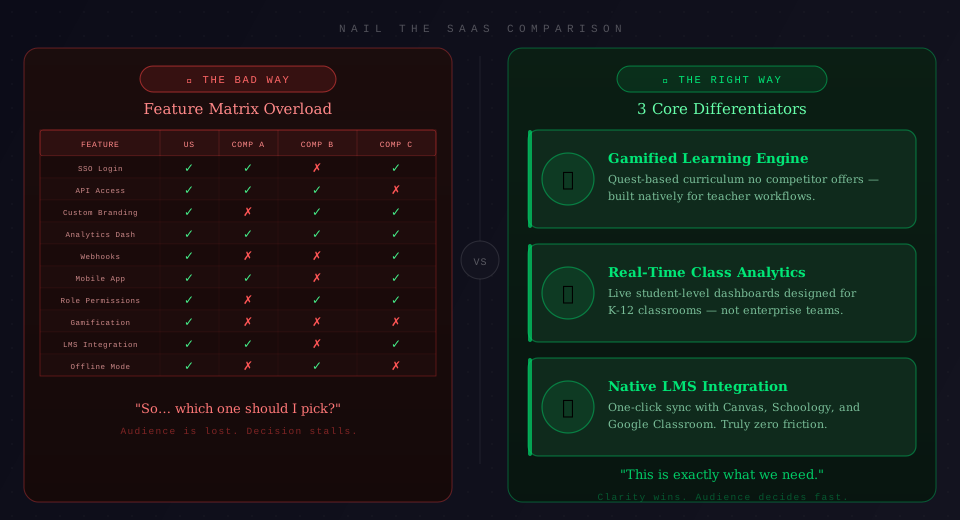
If you are pitching a SaaS product, the audience is inevitably wondering, "Why does this stand apart from what's already out there?" Addressing this requires a strong visual and verbal strategy, but there is a common trap many teams fall into: comparing the wrong aspects of the features. Don't just present a massive, cluttered feature matrix ticking boxes against competitors. Focus the comparison strictly on the core differentiators that actually drive value for your specific target audience. Make it incredibly clear why your approach is the superior choice for this specific problem.
4. Sequence for Context
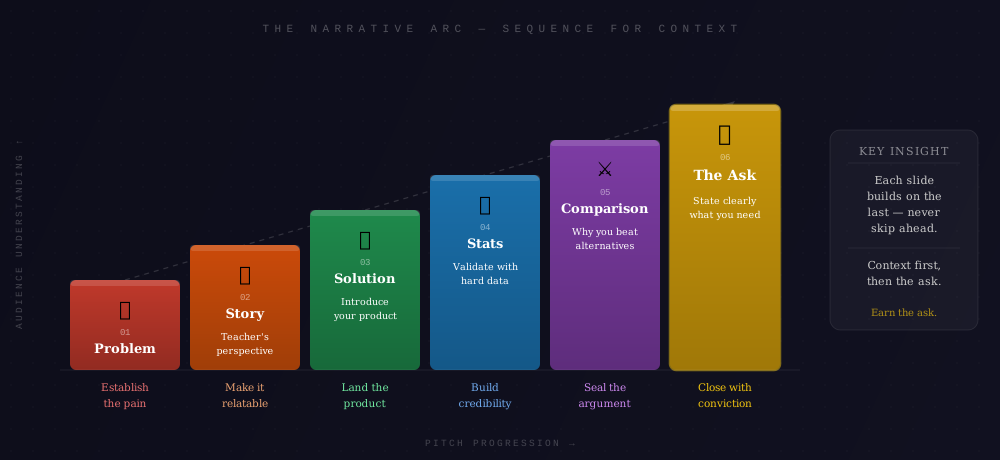
Your slides should never feel like a random assortment of ideas. They must be ordered logically so that the listener always has the necessary background to understand the current slide.
While the exact flow will change depending on the pitch and the audience, a reliable baseline narrative looks something like this:
5. Practice Relentlessly
Some people possess the inherent ability to talk smoothly without much practice. For the rest of us, relentless preparation is paramount.
Practicing doesn't just mean reading your slides silently. It requires a systematic approach:
A great pitch isn't just a slide deck; it's a performance. The more you sweat in practice, the less you bleed in the pitch.